A solar proposal might include a 25-year equipment warranty. But who will answer the phone if your system needs service in ten years?
It’s a question we hear regularly from homeowners considering solar, and it deserves a thoughtful answer.
Solar panels can generate electricity for decades. During that time, your system may need troubleshooting, an inverter replacement, repairs after a storm, or removal and reinstallation when it’s time for a new roof. Choosing an installer means thinking about that ongoing relationship as well as the installation itself.
Recent solar company closures have made that decision feel more complicated. Some homeowners chose a familiar national brand expecting long-term support, only to find themselves searching for someone else to service their system.
Company size alone cannot tell you whether an installer will take care of you. Experience, financial health, workmanship, communication, and a clear service process all deserve a closer look.
That’s one reason Exact Solar belongs to the Amicus Solar Cooperative, a member-owned network of independent solar companies that share resources, experience, and standards for how they do business.
Our team recently spent three days at the Amicus Sales and Marketing Conference in Atlanta. The conversations reinforced something we care deeply about: building a solar company that customers can continue to rely on long after their panels are installed.
Here’s what we learned, how Amicus evaluates its members, and what to look for when choosing a solar installer for your home or business.
Table of Contents
What Recent Solar Company Closures Mean for Customers
Several well-known solar companies have closed, filed for bankruptcy, or transferred parts of their businesses in recent years. Some served homeowners here in Pennsylvania and New Jersey.
These situations have different causes and outcomes. Higher borrowing costs, debt, changing incentives, and operational challenges have put pressure on parts of the industry. It would be too simple to attribute every closure to the same business model or decision.
For customers, however, the practical questions are often similar: Who handles service now? Is the warranty still valid? What happens to an unfinished installation?
Here are several examples you may have seen in the news.
SunPower
The original SunPower Corporation filed for Chapter 11 bankruptcy in August 2024. Shortly before that filing, it stopped supporting new lease and power purchase agreement sales and related shipments.
Certain assets and the SunPower brand were later acquired by another company. That distinction matters: the original bankruptcy and the business now operating under the SunPower name are not the same legal entity. Existing customers should use the published support information for their particular system and agreement.
Titan Solar Power
Titan Solar Power closed in June 2024 after a potential sale fell through. The company had installed residential solar across multiple states, leaving customers to find new contacts for unfinished work or future service.
Sunnova
Sunnova filed for Chapter 11 bankruptcy in June 2025, reporting estimated liabilities between $10 billion and $50 billion.
The company has since ceased independent operations, and its customer support information directs customers to successor providers. This is an important distinction for homeowners: a bankruptcy can change who manages an account without eliminating the underlying agreement.
PosiGen
PosiGen’s disruption had a significant local impact. The company ceased most operations in August 2025 and filed for Chapter 11 later that year.
According to WHYY, PosiGen had installed approximately 2,500 of the more than 4,000 systems completed through Solarize Greater Philadelphia. Its customer notice now describes transfers of servicing, monitoring, and billing to other providers.
Freedom Forever
Freedom Forever, one of the country’s largest residential solar installers, filed for Chapter 11 in April 2026. The case converted to Chapter 7 liquidation on August 7, 2026, with a court-appointed trustee overseeing the process.
These examples help explain why long-term support should be part of your installer research. A recognizable name, a large sales operation, or a lengthy warranty deserves the same careful questions as any other proposal.
What Happens to Your Solar Warranty if Your Installer Closes?
If your installer has gone out of business, start by gathering your installation contract, equipment information, warranty documents, and any financing or ownership agreements.
There may still be support available. The next step depends on who owns the system and which company is responsible for the issue.
Equipment Warranties and Workmanship Warranties Are Different
A manufacturer’s warranty covers specified equipment under that manufacturer’s terms. An installer’s workmanship warranty addresses the installation work under a separate set of terms.
An installer closing does not automatically cancel every manufacturer warranty. For example, Enphase has stated that it continues to honor applicable product warranties for its microinverters installed in legacy SunPower systems.
However, an active equipment warranty does not necessarily mean every repair will be free. Coverage may exclude diagnostic visits, shipping, labor, or removal and reinstallation. An installer’s own workmanship coverage may also become difficult to access if that business no longer operates.
Before paying for a repair, ask the service provider to explain:
- What caused the problem.
- Whether the affected equipment is still under warranty.
- Who will submit the warranty claim.
- Which parts and services are covered.
- What you will need to pay out of pocket.
Leases and PPAs Require a Different First Step
If you lease your system or have a power purchase agreement, another company owns the equipment.
Start with the current system owner or account servicer listed in your latest notices. They may have a designated service process, and you should confirm responsibility before arranging work yourself.
A company’s bankruptcy does not automatically make the system yours or cancel your payment obligations. Review the official account communications and your agreement to understand what has changed.
Finding Help in Pennsylvania and New Jersey
Exact Solar’s Solar Orphan Service® supports property owners whose original installer is no longer available.
If you need help, share your location, equipment details, a description of the problem, and any documentation you have. Our team can review the request and explain whether it fits our current service scope and availability.
We receive a high volume of inquiries, so we cannot accept every project. Clear information at the start helps us identify the appropriate next step.
What Is the Amicus Solar Cooperative?
The Amicus Solar Cooperative brings together more than 90 independent solar companies. Its members average more than 20 years in the solar industry, and the cooperative includes 24 Certified B Corporations and 23 employee-owned businesses.
Exact Solar is one of its member-owners.
Amicus describes its purpose as:
“Amicus exists to find, bring together, support, and empower independent companies that bring honor to the solar industry in the way they serve their communities.”
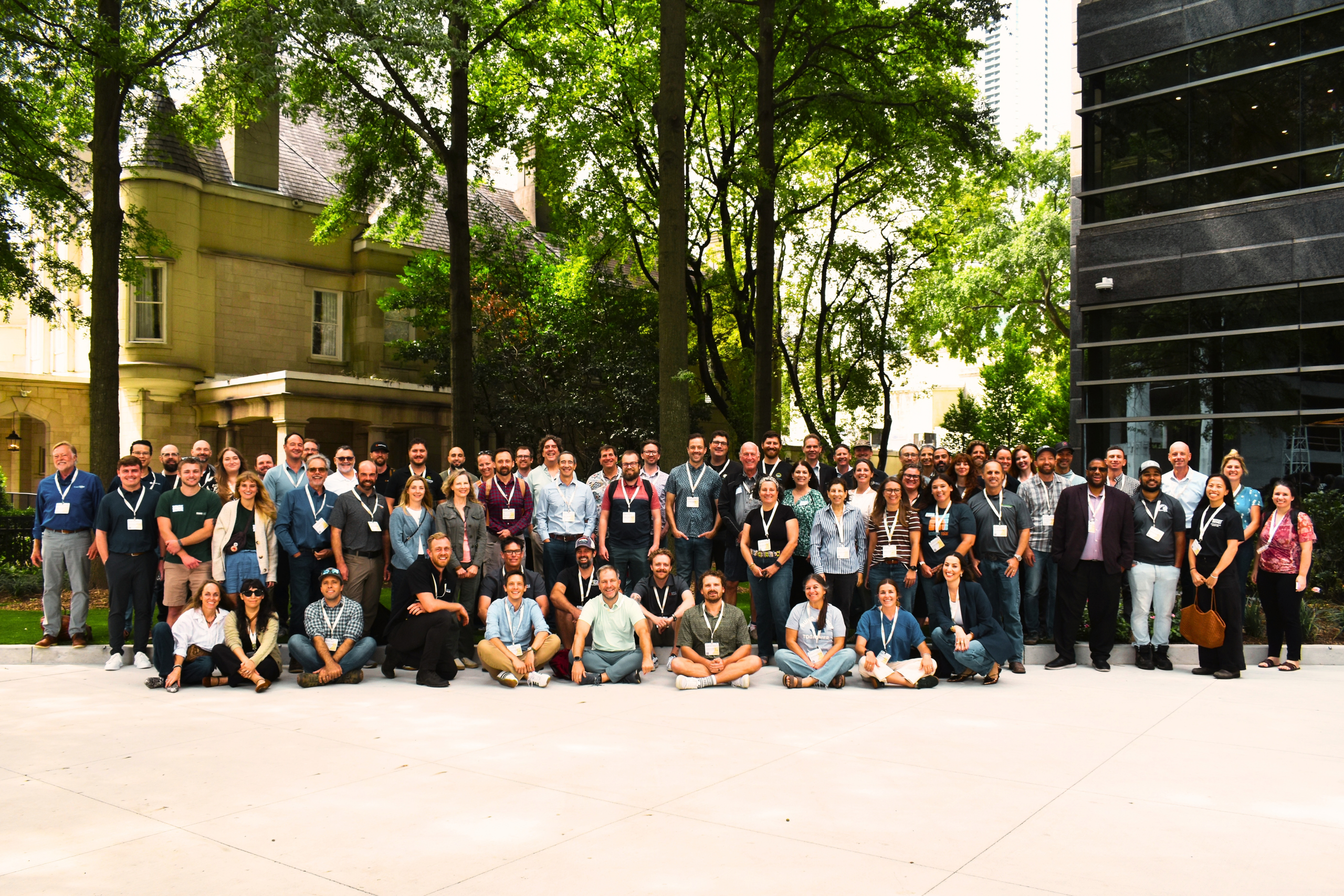
The cooperative began in 2011, when a group of independent solar companies came together to strengthen their businesses through shared purchasing and collaboration.
Large national companies could negotiate equipment pricing at a scale that was difficult for a smaller installer to achieve alone. By combining purchases, local companies could access better buying power while retaining their own ownership, teams, and relationships with customers.
Today, each member operates under its own name. The cooperative helps members work together on challenges that are harder to address individually, including equipment purchasing, training, business practices, and access to certain payment options.
For customers, that can mean the personal relationship of working with a local installer supported by resources and experience from a much larger network.
Learn more about Amicus’s history and its member-owned structure.
How Does a Solar Company Qualify for Amicus Membership?
Amicus membership involves a review of a company’s experience, finances, reputation, work, and values.
Its published requirements include:
- An established track record: Amicus looks for substantial operating experience, citing ten or more years in mature solar markets as an example.
- Financial strength: Applicants’ financial information is reviewed for profitability, cash flow, debt levels, and existing claims or litigation.
- Strong references: Customer feedback, business peers, and suppliers help inform the review.
- Quality installations: Applicants must demonstrate a history of strong project work. Amicus also prefers companies with multiple NABCEP-certified employees.
- Care for employees and communities: Training, safety, employee benefits, community involvement, and professional development are part of the evaluation.
You can read the full Amicus eligibility requirements online.
These criteria make membership a useful credential when researching an installer. They provide something more concrete to evaluate alongside a company’s own marketing.
Membership cannot guarantee that any business will operate forever. It does show that the company has undergone the cooperative’s review and committed to its standards. You should still ask about the specific team, equipment, warranties, and service arrangements in your proposal.
What We Learned at the Amicus Sales and Marketing Conference
Our team recently attended the Amicus Sales and Marketing Conference in Atlanta, where we spent three days sharing ideas with other independent solar companies.
There were conversations about growth, marketing, and sales. What stayed with us, though, was how often those conversations returned to customer care.
How do you explain a complicated decision clearly? How do you make sure a customer feels informed throughout a project? How do you build a business that can continue answering the phone years after an installation?
Those questions felt familiar to our team.
Customer Care Throughout the Installation
A positive solar experience starts well before installation day and continues after the system begins producing electricity.
Across our conversations, several priorities came up repeatedly:
- Being present and involved in the communities we serve.
- Responding promptly when someone reaches out.
- Setting realistic expectations for costs and timelines.
- Keeping customers informed throughout permitting and installation.
- Asking for feedback during the project.
- Explaining payment options clearly and honestly.
These may sound like straightforward expectations. Meeting them consistently requires planning, training, and accountability.
A customer waiting for a permit or utility approval should understand what is happening and who to contact. A homeowner comparing proposals should be able to ask questions without feeling rushed. Those everyday interactions help build trust.
Clear Explanations of Solar Ownership, Leases, and PPAs
Payment options were another important topic at the conference.
The federal Residential Clean Energy Credit is no longer available for new residential systems placed in service after December 31, 2025. That change has affected how homeowners compare solar purchases with third-party ownership options. It does not mean that every solar incentive has ended.
Purchasing a system, financing a purchase with a loan, signing a lease, and entering a power purchase agreement are different arrangements. Each changes who owns the equipment, how payments work, and who is responsible for service.
Our conference conversations focused on explaining those differences in a way that helps people make informed decisions.
Customers should understand the full agreement, including any annual payment increases, maintenance responsibilities, production guarantees, home-sale requirements, and future purchase options.
At Exact Solar, we waited to offer a PPA until Amicus helped make an option available that we felt comfortable recommending to our own friends and family.
The starting point should always be the homeowner’s goals. Some people prioritize ownership. Others want to avoid a large upfront payment or prefer an arrangement that includes maintenance. A useful conversation gives them room to compare those priorities.
Learning From People Who Face Similar Challenges
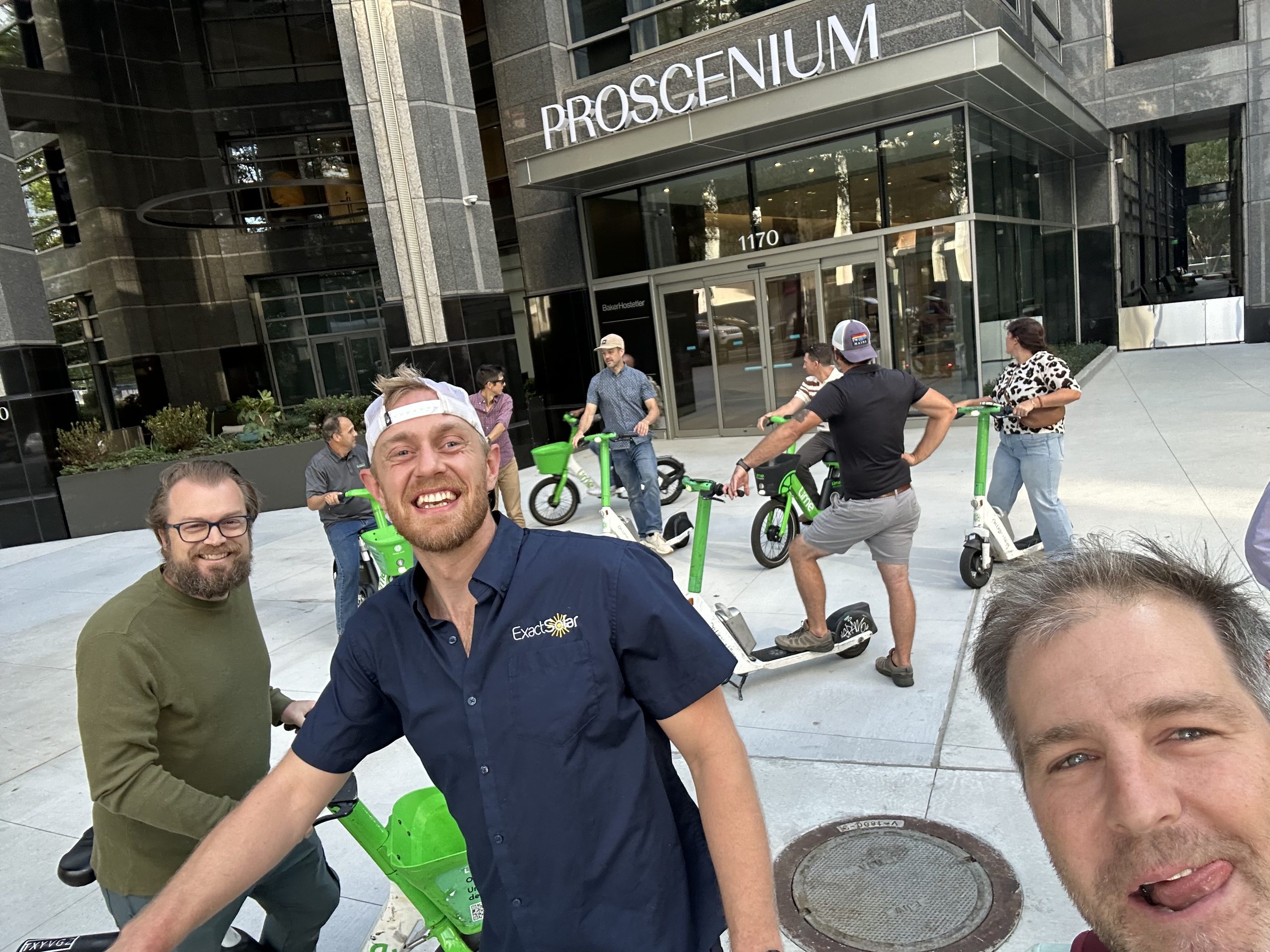
One of the most valuable parts of the conference was the opportunity to talk openly with other local solar businesses.
We could compare experiences, ask questions, and hear how other teams approach communication, training, and long-term customer relationships.
Our team came home encouraged by the number of people who cared about the same things we do: quality work, clear information, and taking care of customers over time.
How Amicus Membership Benefits Solar Customers
The value of the cooperative becomes easier to understand when you connect it to the decisions and challenges involved in a solar project.
Collective Purchasing Helps Local Installers Stay Competitive
Through shared supplier programs, member companies can combine purchasing volume and gain access to competitive equipment pricing.
That buying power helps independent businesses remain competitive while investing in their employees, installation practices, and customer support.
It does not mean every Amicus quote will be the lowest. It gives local installers another way to manage costs while maintaining the standards their customers expect.
A Wider Network Supports the Local Team Working on Your Project
Amicus member companies collectively employ more than 5,000 solar and storage professionals.
The cooperative connects people in similar roles so they can exchange knowledge and work through challenges. That creates opportunities to learn from colleagues with experience in different equipment, project types, and operating conditions.
Your local installer remains responsible for your project. The broader network provides another resource that team can draw on.
Cooperative Programs Expand the Options Customers Can Consider
One example is the Amicus Impact Partial Prepaid Lease/ESA.
Under this program, Amicus Impact Cooperative owns the system, and the customer makes an upfront partial prepayment. Amicus advertises an effective upfront discount of up to 30%, supported by available federal incentives claimed by the system owner.
That does not mean the homeowner receives a 30% tax credit or owns the system immediately.
The published structure includes an initial five-year period without additional monthly lease payments, followed by options that include purchasing at fair market value or continuing with monthly payments. The future purchase price is not guaranteed at signing.
This is a separate arrangement from a monthly PPA. Availability, projected savings, service obligations, and purchase terms should all be reviewed in the actual proposal.
Long-Term Business Practices Support Long-Term Customer Relationships
A solar system needs a capable installer on day one and a clear support process afterward.
Exact Solar has been locally owned and operated since 2005. Across more than 3,000 installations, our work has included design, permitting, installation, monitoring, and service.
Amicus gives us opportunities to continue improving those practices alongside other established companies. The goal is to keep building a business that can support customers throughout the life of their systems.
Questions to Ask Before Choosing a Solar Installer
Whether you’re considering an Amicus member or another company, ask questions that go beyond panel brands and the final price.
A reliable installer should be willing to explain its answers and put important commitments in writing.
| Question | What to look for |
|---|---|
| How long have you worked in my area? | Relevant local projects and familiarity with permitting and utility requirements. |
| Who will design and install my system? | Clear responsibilities, qualifications, and disclosure of any subcontractors. |
| What does each warranty cover? | Separate explanations of equipment, performance, workmanship, and labor coverage. |
| Who handles service after installation? | A defined contact, service process, and explanation of potential charges. |
| Can I speak with customers whose systems are several years old? | Feedback about ongoing support as well as the original installation. |
| What assumptions are used in my savings estimate? | Clear electricity-rate, production, usage, and payment assumptions. |
| How do my payment options differ? | Written explanations of ownership, total payments, annual increases, service, and transfer terms. |
| What could affect my project’s timeline or price? | An honest discussion of roof conditions, electrical work, permitting, and utility approvals. |
Pay attention to how a company responds. Thoughtful answers, realistic expectations, and a willingness to explain trade-offs can tell you a great deal about what working together will feel like.
Choosing a Solar Installer in Pennsylvania or New Jersey
For homeowners and businesses in Pennsylvania and New Jersey, Exact Solar offers local experience backed by participation in the Amicus network.
We can help you evaluate your property, understand the available options, and compare projected costs and savings. We’ll also explain the installation process and what support looks like afterward.
Get a free estimate from Exact Solar to see whether solar is a good fit for your property.
If you live outside our service area, the Amicus member directory is a useful place to begin researching independent installers near you.
Frequently Asked Questions About Amicus and Solar Installers
Does Working With an Amicus Member Cost More?
Not necessarily. Collective purchasing helps member companies access competitive equipment pricing.
Prices still vary based on system design, equipment, roof conditions, electrical requirements, and the scope of service. Compare what each proposal includes, along with the company’s qualifications and support process.
A lower quote deserves the same careful review as a higher one.
Can I Hire Amicus Directly?
Amicus Solar Cooperative brings together independent solar companies; it does not serve as the local installation contractor for your project.
Use the member directory to find an installer serving your area. Exact Solar is a member serving Pennsylvania and New Jersey.
Amicus Impact’s role as a system owner under its prepaid lease program is separate from the local company’s installation role.
Does Amicus Membership Guarantee My Installer Will Stay in Business?
No membership or certification can guarantee a company’s future.
Amicus’s review of experience, finances, reputation, and business practices is a meaningful part of evaluating a company. Combine that information with your own review of its contract, warranties, references, and service arrangements.
Will My Equipment Warranty Survive if My Installer Closes?
It may. A manufacturer’s equipment warranty is separate from an installer’s workmanship warranty.
Check the terms for your specific equipment and contact the manufacturer or current authorized service provider. Even when a replacement part is covered, you may still have charges for troubleshooting, labor, or other work.
Can Exact Solar Help if My Installer Went Out of Business?
Our Solar Orphan Service® provides a way to request help when your original installer is unavailable.
We review inquiries based on location, equipment, project needs, and current service capacity. Contact our team with the details of your system so we can explain whether we’re able to assist.