
“If the tax credit expired, should I still put solar on my home?”
Our team regularly hears this question from homeowners across Pennsylvania and New Jersey. Many spent a year or two considering solar and now wonder whether the investment still makes sense after the federal residential tax credit ended.
Yes, solar can still be worthwhile without the federal tax credit! Whether it makes sense for your home depends on the cost of your system, how much electricity it produces, your utility rates, available incentives, and how you choose to pay.
The loss of the 30% credit is a meaningful change. It deserves an honest explanation and an updated proposal, not a promise that the financial picture is exactly the same.
At the same time, the credit was one part of solar’s value. A well-designed system can still reduce electricity purchases for decades, and Pennsylvania and New Jersey continue to offer net metering and production-based solar incentives.
Exact Solar is an education-first, locally owned solar company. We want you to understand the numbers well enough to decide whether solar is a good fit for your home.
This guide explains what changed, what remains available, and the five questions that should guide your decision.
Ready to look at your own numbers? Get a free solar estimate from Exact Solar.
If you’d like to learn more first, start here.
Table of Contents
What Changed When the Federal Residential Solar Tax Credit Ended?
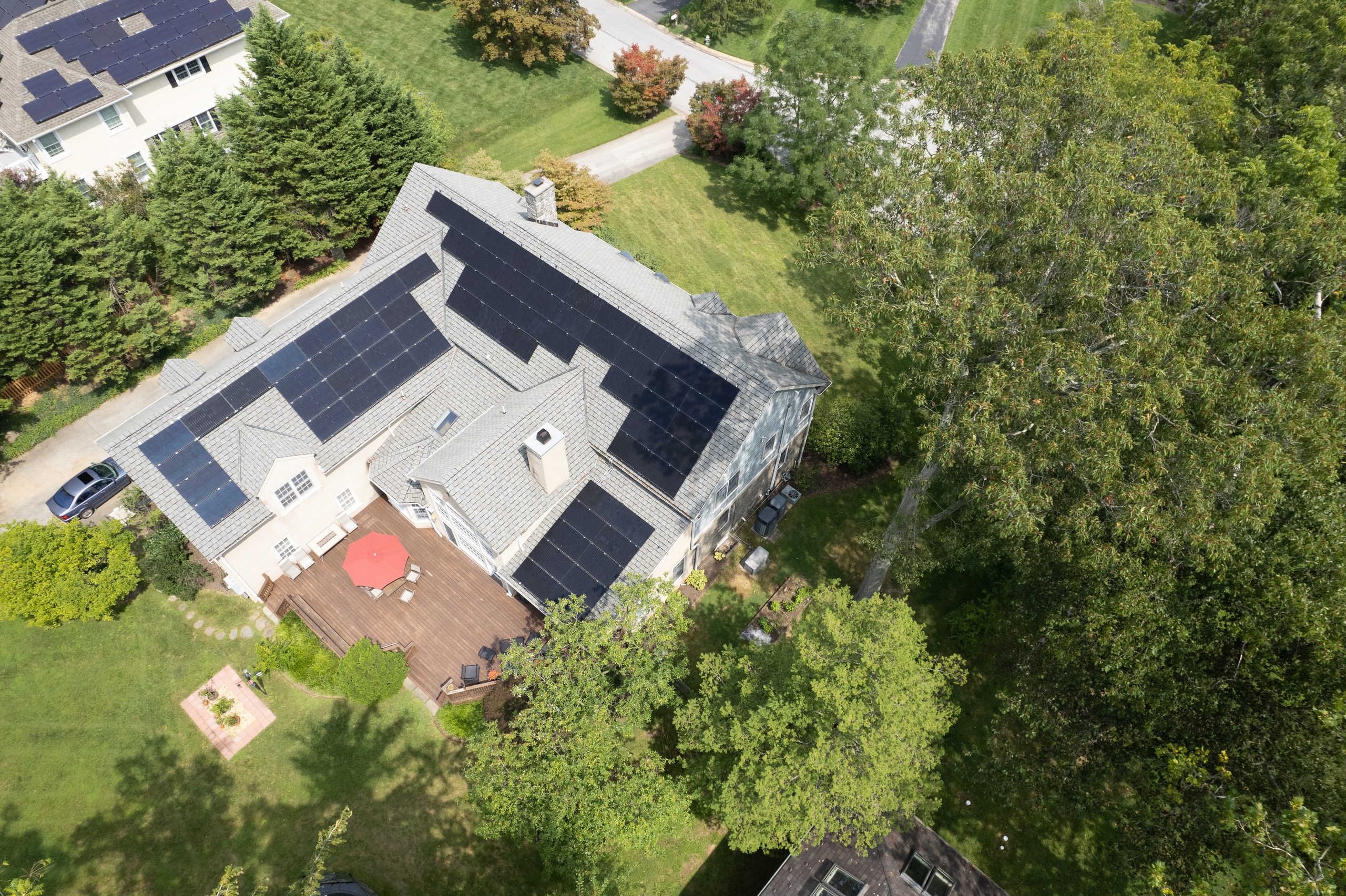
The One Big Beautiful Bill Act ended the Residential Clean Energy Credit under Section 25D for expenditures made after December 31, 2025.
Previously, the credit provided eligible homeowners with a federal income-tax credit equal to 30% of qualifying solar installation costs. The law ended that availability early rather than gradually reducing the percentage.
For a typical installation, IRS guidance treats the expenditure as made when the original installation is completed. Signing a contract or making an advance payment before the deadline did not, by itself, preserve eligibility for work completed afterward.
Homeowners with projects spanning the deadline should review their installation records with a tax professional. The timing should not be reduced to a blanket rule based solely on the date the utility issued permission to operate.
What the 30% Credit Was Worth
On a project with $30,000 in eligible costs, the former 30% credit could have provided a $9,000 federal tax benefit.
For a homeowner able to use the entire credit, that reduced the effective project cost to $21,000 before considering other incentives.
However, it was a nonrefundable tax credit, rather than an automatic discount on the installation invoice. Its use depended on the homeowner’s federal income-tax liability, and unused amounts could be carried forward under applicable rules.
Tax liability also differs from the balance due when filing a return. Someone receiving a refund could still have federal income-tax liability against which an eligible credit applied.
For a new homeowner-owned installation completed after the deadline, a proposal should not subtract the former Section 25D credit from the price.
Third-Party-Owned Systems Have Different Tax Rules
A solar system owned by a business may qualify under different federal rules, including Section 48E.
That can apply to eligible systems installed on homes through a power purchase agreement or lease. The business owner claims available benefits; the homeowner does not claim the residential credit for equipment they do not own.
Those benefits can help support the pricing offered to homeowners, but eligibility is not automatic. Commercial solar credits also have deadlines, equipment restrictions, and other requirements.
For example, IRS guidance generally applies a December 31, 2027, placed-in-service deadline to applicable solar projects beginning construction after July 4, 2026. Different treatment may apply to projects meeting earlier construction requirements.
This is why the actual proposal and agreement matter more than a general statement that “the commercial credit is still available.”
What Solar Without the Tax Credit Means for Homeowners
There are three practical points to understand before comparing proposals.
1. The Credit Changed the Financial Return, Not the Electricity Production
The tax credit reduced the effective cost of an eligible purchase. It did not determine how much sunlight reached your roof or how much electricity your panels produced.
A properly designed and maintained system can still produce electricity over a long operating life, commonly evaluated over 25–30 years.
Production will vary with weather, shading, equipment condition, and gradual panel degradation. Those factors should be reflected in the estimate.
Without the credit, the same project generally takes longer to recover its cost if all other assumptions remain unchanged. That does not automatically make it a poor investment. It means the calculation needs to use today’s costs and benefits.
2. Equipment Quality and Installed Cost Still Matter
Solar technology has improved over time, but homeowners should not assume that every component becomes cheaper or more efficient every year.
Your installed price includes more than panels. Design, electrical equipment, labor, permitting, roof conditions, and utility requirements all contribute.
The useful comparison is what you receive for the total project price: expected production, equipment quality, workmanship, warranties, and service.
A lower quote is not necessarily a better value if it leaves out necessary work or relies on unrealistic production assumptions.
3. State Incentives and Payment Options Remain Important
Pennsylvania and New Jersey continue to offer programs that support solar, although their rules and incentive amounts can change independently of federal policy.
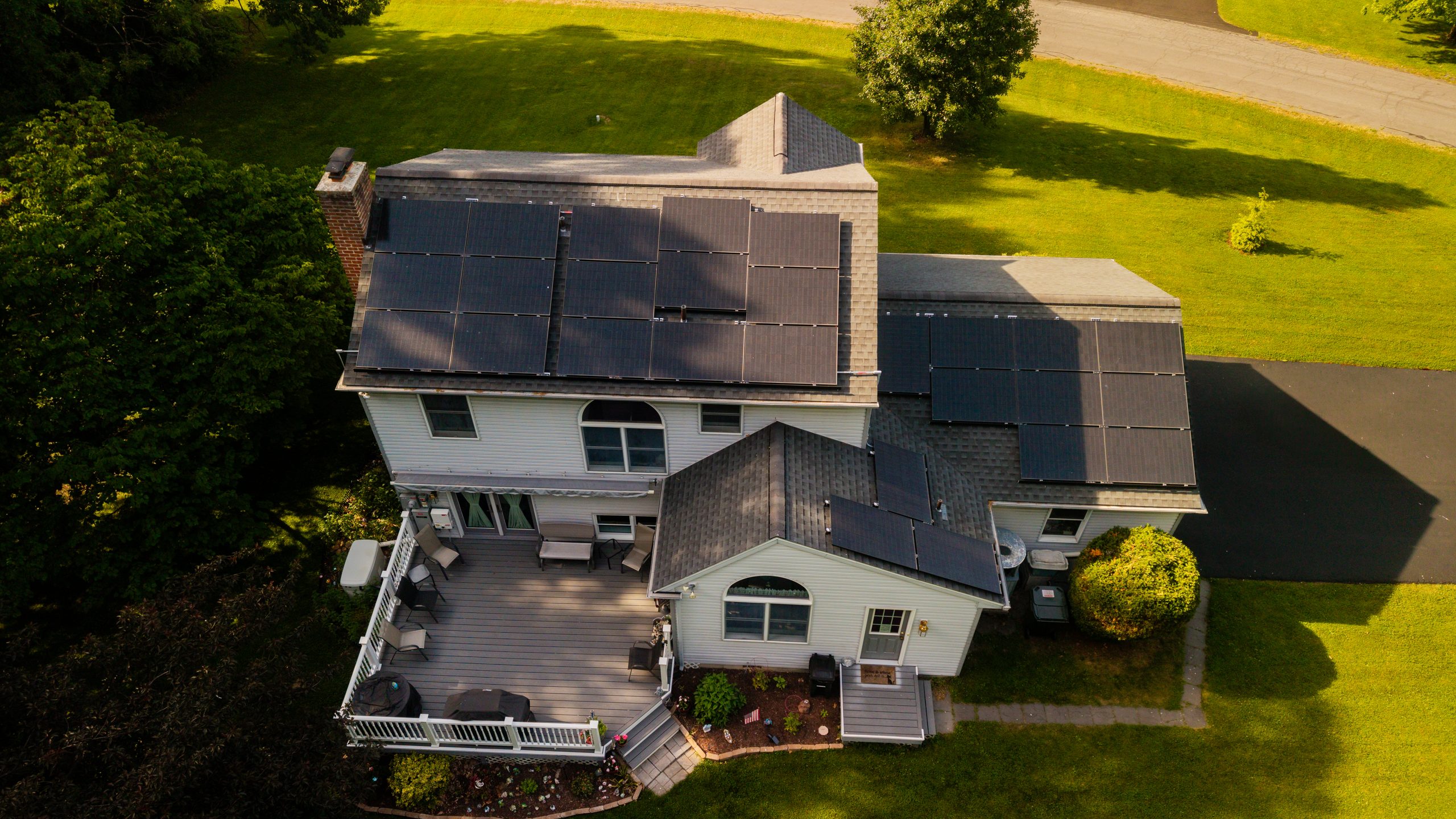
You also have choices about ownership. A cash purchase, solar loan, PPA, or prepaid lease creates a different combination of upfront cost, ongoing payments, responsibilities, and potential savings.
We have not assigned your home a standard price or payback period because we have not reviewed your roof or electricity use.
Broad averages can provide context. A personalized recommendation requires a personalized analysis.
When you contact Exact Solar, we’ll explain the projected numbers, the assumptions behind them, and any conditions that could affect the outcome.
Five Questions That Determine Whether Solar Is Worth It
A useful proposal should answer five questions:
- How much electricity will the system produce?
- What electricity costs will that production offset?
- Which incentives apply to this project?
- How will I pay for the system or its electricity?
- How does solar fit my plans for the home?
These questions help you evaluate the full investment, including the years after installation.
Whether you work with Exact Solar or another installer, you should feel comfortable asking for clear explanations. You do not need to become a solar expert to understand what you are buying.
How Much Electricity Will My Solar Panels Produce?
System size matters, but expected electricity production is what connects the design to your potential savings.
Start with the difference between power and energy.
Understanding Kilowatts and Kilowatt-Hours
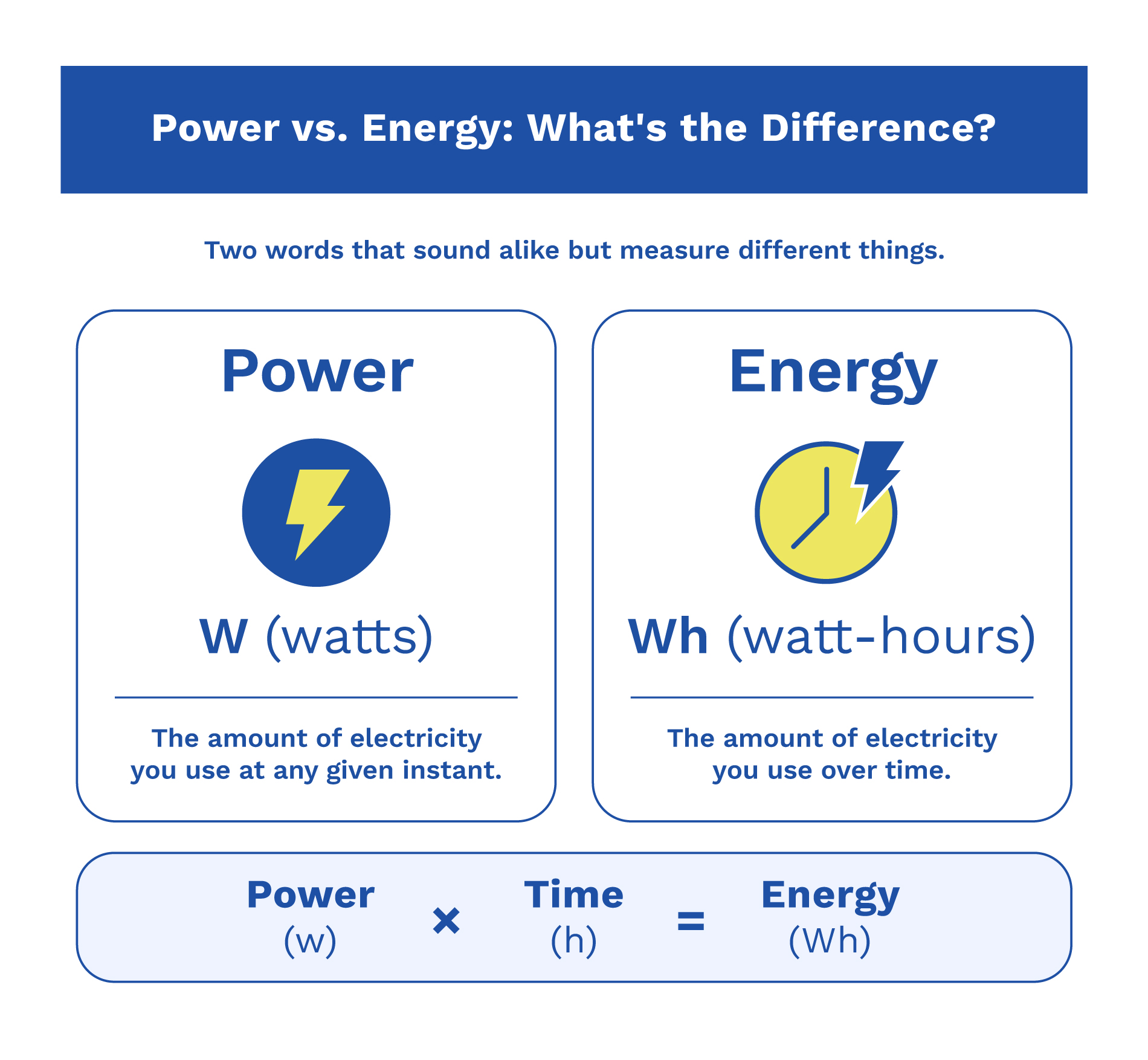
Power describes the rate at which equipment produces or uses electricity at a particular moment. It is measured in watts or kilowatts.
A 470-watt panel, for example, has a rated output measured under standardized test conditions. Its actual output changes throughout the day.
Energy describes how much electricity is produced or used over time. Your utility measures it in kilowatt-hours, or kWh.
For example:
1 kilowatt of output sustained for 1 hour = 1 kilowatt-hour of electricity.
Think of driving a car. Speed is similar to power; distance traveled is similar to energy. Driving at 60 miles per hour for one hour covers 60 miles.
Similarly, a system producing an average of 5 kW over two hours generates 10 kWh.
What Your Production Estimate Should Include
Your installer should estimate annual production using your actual property conditions, including roof orientation, roof pitch, shading, panel placement, and local weather patterns.
Two systems with the same rated capacity can produce different amounts of electricity if one receives more sunlight.
Your proposal should also explain:
- Expected first-year production in kWh.
- How that compares with your annual electricity use.
- Seasonal differences in generation.
- Assumptions about shading and equipment losses.
- Expected changes in output over time.
No forecast can predict the weather perfectly. However, your installer should be able to explain how the estimate was developed and what could change it.
Exact Solar uses realistic, conservative production assumptions. We want you to understand what your system is expected to do before deciding to move forward.
What Do I Actually Pay for Electricity?
Your monthly bill total is a useful starting point, but it does not tell the whole story.
To estimate solar savings, we need to understand both how much electricity you use and which charges solar can reduce.
A household spending $200 per month could have a different usage pattern and electricity rate than another household with the same bill.
Look Beyond the Monthly Total
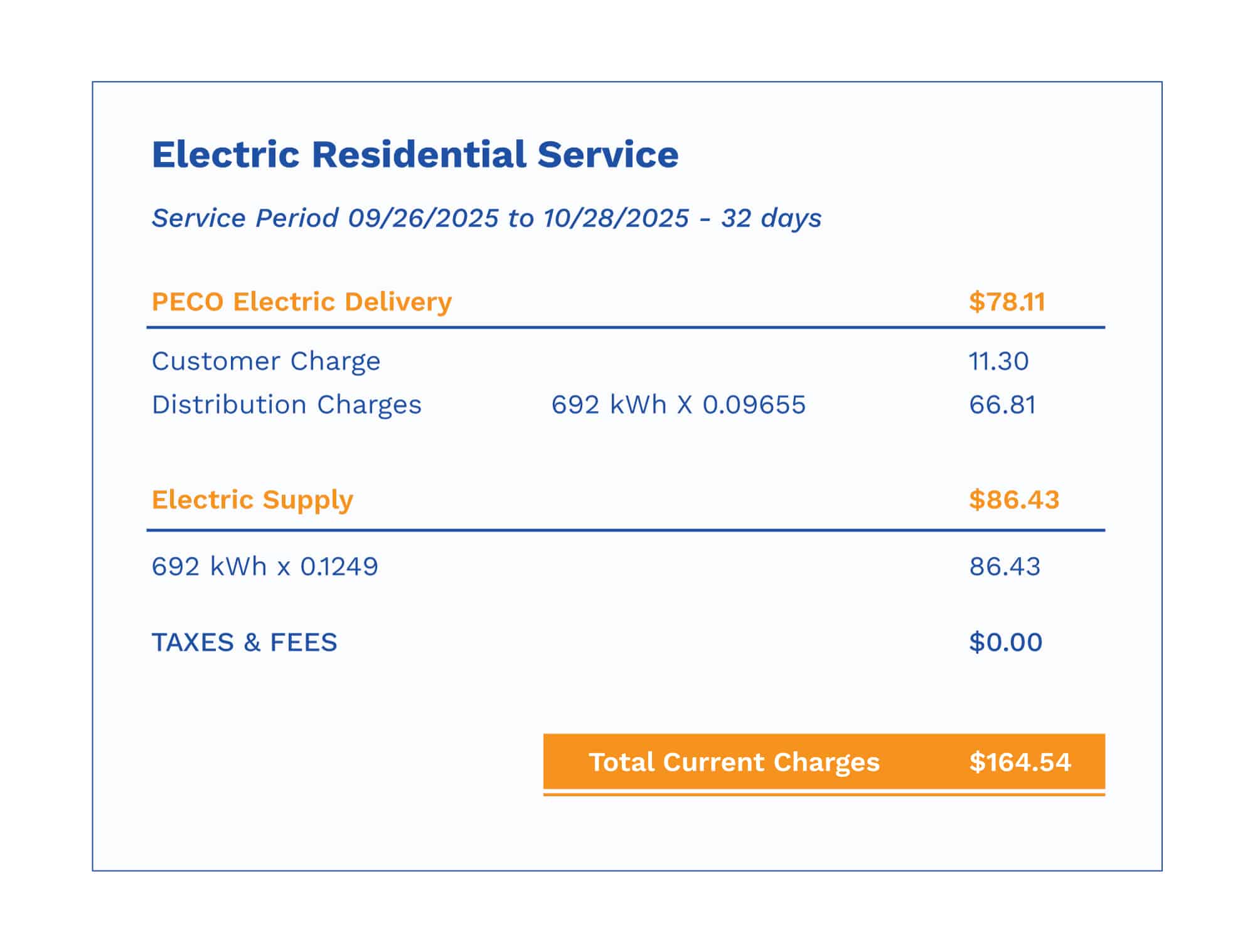
Most electric bills include supply charges, delivery charges, and fixed fees.
Supply charges cover electricity generation or procurement. Delivery charges support the infrastructure that brings electricity to your home. Some charges vary with usage; others remain even when you purchase little electricity.
That distinction matters because solar does not necessarily eliminate every line on the bill.
Your proposal should identify the rate assumptions used to calculate savings and show an estimate of your remaining utility costs.
Compare Your Total Costs Before and After Solar
For a cash purchase, the comparison includes the upfront investment, ongoing ownership costs, remaining utility purchases, and incentives.
For a loan or PPA, it also includes the new payment.
A lower solar payment does not tell you whether you are saving money unless you account for the utility bill that remains.
Ask to see the combined picture:
Solar payment, if applicable + remaining utility bill = ongoing electricity-related payments.
Annual comparisons are often more useful than a single month because solar production and household electricity use change with the seasons.
For a closer look at your bill, read You’re Paying More for Electricity Than You Realize.
Which Solar Incentives Are Available in Pennsylvania and New Jersey?
Both states offer net metering and solar production incentives, but they work differently.
Net metering addresses the electricity exchanged with the utility. Solar renewable energy certificates represent the renewable attributes of qualifying electricity production.
These are separate benefits, and your proposal should explain each one without counting the same savings twice.
Net Metering in Pennsylvania
For eligible customers of Pennsylvania’s investor-owned utilities, net metering generally provides retail-value credits for generation used to offset electricity consumption within the applicable billing and reconciliation rules.
When your panels produce more than your home needs, the surplus flows to the grid. Credits can carry forward from month to month and help offset later usage.
This is useful because solar production and household consumption rarely match perfectly every hour or month.
However, annual excess generation is treated differently from credits used during the year. The Pennsylvania PUC describes an annual payment at the utility’s Price to Compare, which includes generation and transmission rather than the full retail bill.
That distinction helps explain why system sizing should consider annual usage and applicable utility rules.
Customers using a competitive electricity supplier should also confirm its treatment of solar generation. Municipal utilities and electric cooperatives may have different requirements.
Exact Solar reviews the applicable arrangements and handles the utility application process for our projects.
SRECs in Pennsylvania
An eligible solar system creates one solar renewable energy certificate, or SREC, for every 1,000 kWh of qualifying electricity production.
These certificates can be sold separately from the electricity itself. Your system can earn certificates for qualifying production whether the electricity is used in your home or exported.
Pennsylvania’s solar requirements create demand for these certificates, but market prices fluctuate. A long-term proposal should explain the assumed SREC price rather than treat today’s market value as guaranteed for decades.
Registration involves state certification and PJM’s Generation Attribute Tracking System, commonly called GATS. Production is recorded, certificates are issued, and a broker or aggregator can help manage sales.
Production below the amount needed for a whole certificate can accumulate toward a later certificate. Payment timing and fees depend on the reporting and sales arrangement.
Exact Solar helps customers complete the necessary registration and broker paperwork after installation.
For a homeowner’s perspective, watch Curt Sawyer’s Solar Tour.
Net Metering in New Jersey
Eligible customers of New Jersey’s investor-owned utilities (including PSE&G, JCP&L, Atlantic City Electric, and Rockland Electric) can also use net metering.
Surplus generation can build credits that offset later electricity use. This allows production during sunny periods to help cover consumption when your panels produce less.
There is also an annual reconciliation, sometimes called a true-up. Under the applicable rules, remaining excess generation is compensated rather than carried indefinitely at full retail value.
For example, PSE&G explains that its annual settlement uses a market-based electricity value that excludes delivery and system charges.
The timing of that settlement matters when evaluating seasonal credits. Your installer should review it alongside your annual consumption and expected production.
Exact Solar handles the net-metering application process and explains how the arrangement applies to your utility.
SREC-IIs in New Jersey
For eligible new residential projects, New Jersey’s Administratively Determined Incentive program, part of the Successor Solar Incentive program, provides fixed-value SREC-IIs.
The program currently lists $77 per SREC-II for residential registrations received on or after July 27, 2026, down from the previous $85 level. A project’s approved registration determines its applicable incentive.
Each SREC-II represents 1,000 kWh of qualifying production. Eligible projects receive the approved incentive over a 15-year qualification period, subject to program requirements.
For illustration, 10,000 kWh of qualifying annual production would generate 10 certificates. At $77 each, that equals $770 before applicable fees or taxes.
The certificate rate is fixed for the approved project, but annual income depends on production. It should not be described as a guaranteed annual dollar amount.
These payments are separate from net-metering benefits. Registration and production reporting remain necessary.
Review the official New Jersey ADI program for current details.
For a homeowner’s perspective, watch Patty Cronheim’s Solar Tour.
Who Receives the Solar Incentives?
With a cash purchase or solar loan, the homeowner generally owns the system and retains the certificate benefits unless those rights are assigned through an agreement.
With a PPA or lease, the third-party owner generally receives them. Their value may help support the agreement’s pricing.
Make sure your proposal identifies who receives each incentive and whether broker or administrative fees apply.
How Should I Pay for Solar?
The right payment method depends on your budget, ownership preferences, and long-term plans.
Exact Solar can compare available options using the same proposed system and production assumptions. That makes it easier to see how the payment structure changes the financial outcome.
Cash Purchase
A cash purchase gives you ownership from the beginning and avoids loan interest and financing fees.
You own the equipment, receive its electricity, and generally retain applicable production incentives.
Paying cash often offers strong lifetime savings because there are no financing charges. However, you should also consider the amount of cash committed and other priorities for those funds.
Your comparison should include installation costs, any required roof or electrical work, and reasonable allowances for future service.
Solar equipment has warranties, but ownership still involves responsibilities. Ask what is covered, for how long, and who handles support.
Solar Loan
A solar loan lets you own the system while spreading the purchase cost over time.
Exact Solar works with Clean Energy Credit Union, a lender focused on clean-energy financing. We can explain the available terms and help you compare them with a cash purchase.
When reviewing any loan, look beyond the advertised monthly payment. Ask about:
- The annual percentage rate and loan term.
- Any fees included in the financed amount.
- Total payments over the life of the loan.
- Whether the payment changes later.
- Early repayment terms.
- Requirements when selling the home.
Older solar loan illustrations sometimes assumed the homeowner would apply a federal tax credit toward the balance. A new proposal must use assumptions that match the incentives actually available to you.
The important comparison is the cost of financing alongside projected savings—not simply whether the first payment looks affordable.
Power Purchase Agreement
A power purchase agreement, or PPA, allows you to purchase the electricity produced by a system owned by a third party.
With Exact Solar’s LightReach PPA, you can go solar with no upfront cost. LightReach owns the equipment, and you purchase its solar electricity at an agreed fixed per-kWh rate for a 25-year term.
The agreement has a 0% escalator, meaning the solar rate does not increase during the term.
A fixed rate does not mean a fixed monthly bill. The amount paid depends on the electricity billed under the agreement, and production varies throughout the year.
You will also continue receiving a utility bill for applicable charges and electricity supplied by the grid.
Monitoring and covered maintenance are included under the agreement, with Exact Solar providing local installation and service.
A PPA can be a useful option for homeowners who want solar without purchasing the equipment. Your proposal should compare the combined PPA and utility costs with your expected costs without solar.
Learn more about Exact Solar’s PPA.
Prepaid Lease
A prepaid lease offers another way to access solar while a third party initially owns the equipment.
Through the Amicus Impact model, an upfront payment covers an initial period of use. Eligible tax benefits claimed by the owner can help reduce that payment.
Amicus’s published structure identifies Amicus Impact Cooperative as the owner, with the local participating installer providing installation and support.
The initial five years have no additional monthly lease payments. In year six, the homeowner has an option to purchase at fair market value, with a credit for applicable unused prepaid amounts.
Ownership does not transfer automatically, and the future purchase price is not guaranteed today.
If the homeowner continues leasing, fixed monthly payments apply during the remaining term under the published structure.
Before selecting this option, review the upfront payment, purchase provisions, later payments, maintenance coverage, and home-sale terms in your actual agreement.
Exact Solar can walk through the available proposal and compare it with purchasing outright.
Compare the Options Using the Same Assumptions
A useful comparison holds system design and expected production consistent while showing how ownership and payments differ.
| Option | Who initially owns the system? | Main financial consideration |
|---|---|---|
| Cash purchase | Homeowner | Upfront investment and long-term ownership value |
| Solar loan | Homeowner, subject to financing terms | Interest, fees, total payments, and monthly cash flow |
| PPA | Third-party provider | Solar electricity rate plus remaining utility costs |
| Prepaid lease | Third-party owner | Prepayment, future purchase option, and later lease obligations |
No single option is best for every household.
Read more about paying for your solar system, or ask our team for a side-by-side comparison.
How Long Do I Plan to Stay in My Home?
Solar is a long-term improvement, so your plans for the property matter.
If you expect to remain in the home for many years, you may have more time to benefit directly from electricity savings and incentive payments.
If you expect to move soon, the analysis should include the sale process and any remaining financial obligations.
Understand Payback and Lifetime Savings
Payback estimates when accumulated benefits recover the initial investment. Lifetime savings consider the longer period after installation, including years beyond payback.
A hypothetical nine-year payback may be attractive to someone planning to stay for 20 years. It may require a different discussion for someone expecting to move in three.
Neither number tells the whole story by itself. Review maintenance assumptions, financing costs, incentive duration, and projected electricity rates.
Ask your installer to explain what happens if future utility rates increase more slowly than assumed or production is lower than forecast.
Know What Happens When You Sell
A fully owned system generally transfers with the home, but its effect on resale value depends on the property and market.
A solar loan may need to be paid off or otherwise resolved. A PPA or lease may require a transfer, buyer approval, or another process described in the agreement.
Do not assume financing automatically passes to the next homeowner.
Understanding these terms before signing is much easier than discovering them during a home sale.
If you can answer all five questions and the proposal fits your goals, you have a strong basis for deciding whether solar makes sense without the tax credit.
Schedule a no-pressure consultation with Exact Solar to review those questions for your home.
When Might Solar Be the Wrong Financial Choice?
Sometimes the right answer is “not yet,” or a different project design.
We would rather identify a concern during the consultation than install a system that does not meet your expectations.
Your Roof Is Nearing Replacement
If the roof has only a few years of useful life remaining, replacing it before adding solar may be the better sequence.
Otherwise, you could face the cost of removing and reinstalling panels when the roof needs work.
A roof assessment should consider its actual condition, material, and expected remaining life. Age alone does not tell the whole story.
Shading Limits Production
Trees, nearby buildings, chimneys, and other obstructions can reduce output.
Some shading can be addressed through panel placement or system design. Significant shading may make a roof unsuitable or materially weaken the financial return.
A ground-mounted system may be worth considering where space, site conditions, and local requirements allow.
Required Site Work Adds Too Much Cost
Structural reinforcement, electrical upgrades, trenching, or other work can increase the total investment.
These improvements do not automatically rule out solar, but they need to appear in the budget before you assess savings.
The question is whether the complete project still meets your goals—not whether the panel installation alone looks affordable.
You Expect to Move Soon
A near-term move deserves careful consideration even if you can pay cash.
A purchased system may appeal to buyers, but you should not assume the sale price will reimburse the full installation cost.
For a financed or third-party-owned system, review the payoff or transfer process and any related costs before committing.
Financing Weakens the Financial Return
A long loan term can make a monthly payment look manageable while increasing total interest substantially.
Compare the full financed cost, remaining utility bills, and ownership expenses with projected benefits. A project can produce electricity reliably and still be a poor financial fit under expensive financing.
The Proposal Depends on Optimistic Assumptions
Be cautious if a proposal only works with unusually high utility-rate increases, unchanged SREC prices for decades, or production that does not reflect shading.
A good installer should be willing to explain those assumptions and show a more conservative scenario.
Solar deserves the same careful evaluation as any substantial home investment.
Hear From Pennsylvania and New Jersey Solar Homeowners
Each year, Exact Solar invites customers to participate in our solar tours connected with the American Solar Energy Society’s National Solar Tour.
These conversations show what living with solar looks like beyond the proposal: monitoring production, reviewing bills, and using the system over time.
The homeowners below installed under the conditions and incentives available to their projects. Their experiences are useful context, but their payback results should not be treated as a forecast for a new installation.
Steve Cickay in Newtown, Pennsylvania
Steve’s home has a 13.02 kW solar system installed by Exact Solar.
A longtime solar advocate, he waited until the investment fit his family’s circumstances. In our published case study, he described substantial electricity savings and annual payments for surplus generation.
The case study also notes a remaining utility connection charge, an important distinction when discussing a home that offsets its electricity use.
Steve’s experience illustrates how production and savings accumulate over years. His original project also received a federal tax credit, so today’s homeowner should use a fresh financial analysis.
View Steve Cickay’s Solar Tour.
Heidi Fichtenbaum in Princeton, New Jersey
Heidi’s 8.40 kW rooftop system includes VSUN panels and Enphase microinverters.
Her tour offers a look at a residential installation designed to generate electricity from the available roof space and reduce reliance on utility purchases.
For New Jersey homeowners, it also provides a useful starting point for discussing how rooftop solar works alongside the state’s net-metering and incentive programs. Your proposal should identify the specific program and rate applicable to your own project.
View Heidi Fichtenbaum’s Solar Tour.
John Kraus in Pipersville, Pennsylvania
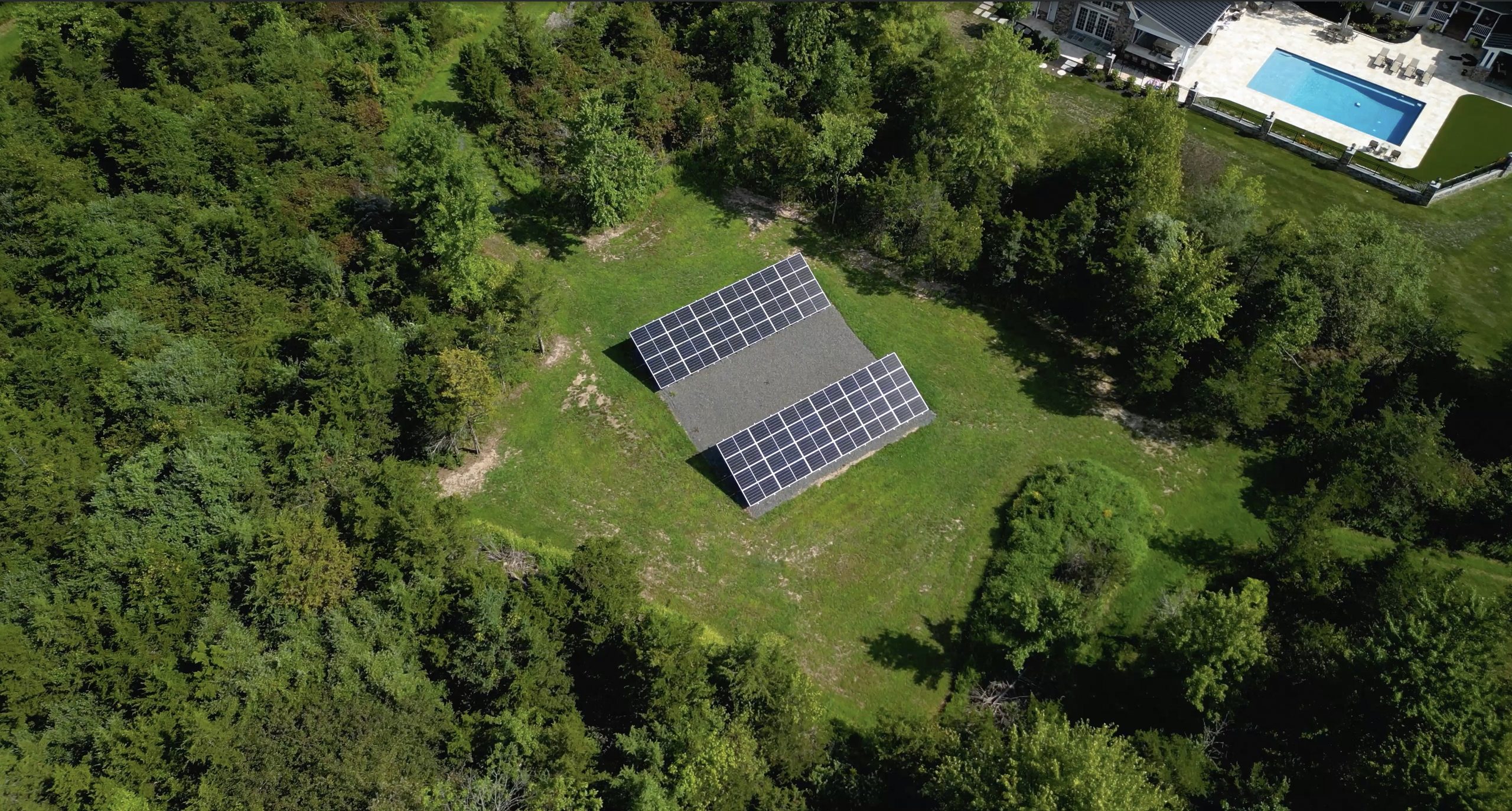
John’s 23.04 kW ground-mounted system serves his home and pool.
He also added battery backup after becoming concerned about storms and outages in his area.
His project shows why the roof is not always the only location worth evaluating. A ground-mounted system can offer another approach when the property has suitable space.
Battery backup adds a separate capability and should be evaluated according to the household’s outage priorities and budget.
You can explore more residential, commercial, school, and community installations on our Solar Tours page.
Frequently Asked Questions About Solar Without the Tax Credit
How Much Longer Does Solar Take to Pay for Itself Without the Federal Tax Credit?
If the installed price and annual benefits remain the same, losing the credit increases the amount an eligible homeowner would need to recover through savings.
The difference is not a universal number of years.
Your installation cost, production, electricity rate, financing, and state incentives all affect payback. Maintenance assumptions and future rate changes matter too.
An older proposal that included the 30% credit should be recalculated using current pricing and incentives. Exact Solar can review your electricity bills and property conditions to provide a project-specific estimate.
Is Any Federal Tax Benefit Available if I Purchase My System Directly?
A new residential installation completed after December 31, 2025, does not qualify for the former Section 25D credit.
Unused credits from an earlier qualifying installation are a separate matter. Homeowners with prior credits or projects spanning the deadline should consult a tax professional.
A third-party-owned system may qualify for business tax benefits, but those belong to the eligible owner. A homeowner considering a PPA or lease should compare the agreement’s actual pricing and terms.
Do Pennsylvania and New Jersey Still Offer Solar Incentives?
Yes. Eligible projects can still benefit from net metering and solar production incentives.
Pennsylvania uses a market-based SREC structure. New Jersey’s current residential ADI program provides fixed-value SREC-IIs tied to the project’s approved registration.
Availability and eligibility vary, and state programs can change. Your proposal should identify the current benefits available for your specific project rather than rely on an older incentive summary.
Will Solar Eliminate My Entire Electric Bill?
Not necessarily.
Even when a system offsets annual electricity consumption, fixed customer charges may remain. You may also purchase electricity when usage exceeds available solar production and credits.
With a PPA, you also pay the provider for solar electricity under the agreement.
A good proposal shows your expected remaining utility costs and any solar payments. It should not assume that the utility account or every charge disappears.
Who Receives the SRECs or SREC-IIs?
The system owner generally receives the certificate benefits unless the rights have been assigned by contract.
Homeowners purchasing with cash or a loan typically retain them. Under a PPA or lease, the third-party owner generally receives them.
Read the agreement to confirm ownership of the incentives, any sales arrangement, and applicable fees.
What Happens if I Sell My Home or Need to Replace the Roof?
A fully owned system generally transfers with the property. A loan, PPA, or lease may require a payoff, transfer, or other contractual steps.
Roof replacement usually requires removing and reinstalling rooftop panels, which adds cost and coordination.
Review both situations before signing. If the roof is already nearing replacement, completing that work first may avoid an unnecessary future expense.
Should I Wait for Solar Equipment to Become Less Expensive?
Future equipment prices are uncertain, and panel prices are only part of an installed system’s cost.
Waiting also means continuing to purchase electricity and postponing any savings an appropriate system could provide.
That does not mean you should rush. If the roof needs work, the financing is unsuitable, or the proposal does not meet your goals, waiting may be sensible.
Make the decision using the current proposal, realistic assumptions, and your household’s priorities.
Find Out Whether Solar Still Makes Sense for Your Home
The end of the federal residential tax credit changed the numbers. It did not remove the need for electricity or the ability of solar panels to produce it.
For many homeowners in Pennsylvania and New Jersey, solar can still provide worthwhile long-term savings. For others, the timing, property conditions, or payment terms may point toward a different decision.
Exact Solar will help you evaluate your roof, electricity use, utility rates, available incentives, and payment options. We’ll explain the assumptions and answer your questions so you can make an informed choice.
Get a free solar estimate and see whether solar is a good fit for your home!
Information reviewed September 24, 2026. Tax laws, utility rules, incentive programs, financing terms, and eligibility requirements may change. Confirm current details before making a decision. This article is for educational purposes only and is not tax, legal, or financial advice. Consult a qualified tax professional about your circumstances. Savings and production examples are illustrative; actual results vary.